
Virtual Tarzan - Transformation Architect
  • Home
  • About
  • Contact me

Recent Comments

  • Pane on Cloud Chaos to Cloud Control: The Governance Playbook You Need Now
  • TJ on Cloud Chaos to Cloud Control: The Governance Playbook You Need Now
  • Mike A on Cloud Chaos to Cloud Control: The Governance Playbook You Need Now
  • Virtual Tarzan on Crafting an Effective Enterprise Multicloud Strategy
  • James on Crafting an Effective Enterprise Multicloud Strategy

Categories

  • AI-ML
  • Azure Architecture
  • Citrix
  • Cloud
  • Cloud Architecture
  • Cloud Security
  • Cloud Strategy
  • Compliance
  • Digital Transformation
  • EUC
  • General
  • Infrastructure Design & Architecture
  • IT Strategy
  • Networking
  • Storage
  • Troubleshooting
  • vCloud
  • VMware
  • vSphere

Archives

  • September 2024
  • July 2024
  • June 2024
  • March 2024
  • January 2024
  • October 2023
  • August 2023
  • July 2023
  • April 2023
  • February 2023
  • January 2023
  • September 2021
  • June 2021
  • January 2021
  • November 2020
  • July 2020
  • April 2020
  • March 2020
  • February 2020
  • January 2020
  • December 2019
  • November 2019
  • October 2019
  • September 2019
  • August 2019
  • July 2019
  • June 2019
  • May 2019
  • April 2019
  • March 2019
  • February 2019
  • January 2019
  • July 2018
  • April 2018
  • March 2018
  • February 2018
  • January 2018
  • December 2017
  • November 2017
  • October 2017
  • January 2017
  • October 2016
  • April 2016
  • March 2015
  • January 2015
  • November 2014
  • October 2014
  • September 2014
  • May 2014
  • April 2014
  • March 2014
  • February 2014
  • August 2013
  • March 2013
  • January 2013
  • December 2012
  • November 2012
  • October 2012
  • September 2012
  • August 2012
  • July 2012
  • June 2012
  • May 2012
  • April 2012
  • March 2012
  • February 2012
  • January 2012

Follow me

Virtual Tarzan - Transformation Architect
  • Home
  • About
  • Contact me
General,

Citrix FlexCast Management Architecture – FMA Basics

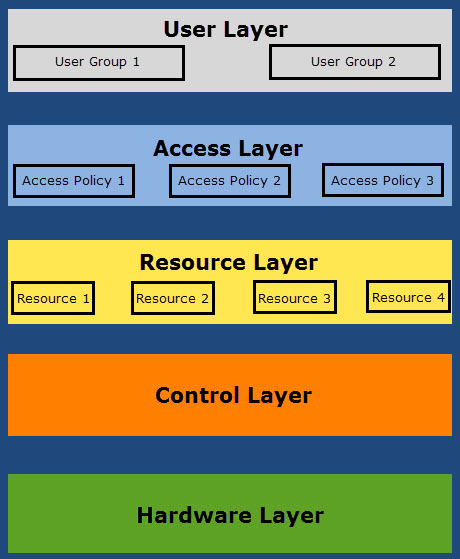
Citrix Five Layer Design

As most in the Citrix world know, Citrix has unified the platform architecture for Citrix XenDesktop and XenApp. Now published applications and virtual desktops will be using the new FlexCast Management Architecture (FMA).

There are five layers to the FMA architecture. It is a key to think of/sizing/designing these layers separately.The one layer at a time approach helps simplify the design/deployment process. At a high level these 5 layers are:

– The User Layer.
This layer focus is on logistics of user groups, such as client software, type of end point and location.
– Client Receiver client. This is a client based software download on the user end point to access business applications hosted in the Data Center. It can run on almost any device and operating system such as Windows, Mac, Linux, iOS and Android.
– Citrix Receiver. This provides the ability to secure, optimize and transport the data the endpoint/host utilizing Citrix HDX.

– Endpoints. These are the type of devices the users will use (Thick Clients, Thin clients, Zero clients, Tablets, Smartphones).

– Location. Where will the users connect from (LAN, WAN, Unsecured networks, etc)

– The access Layer
This layer defines how users authenticate to gain access to their resources, secure their communications with the resource layer and deliver applications to the users end points.

There are two infrastructure components that provide access to resources:
– StoreFront
– NetScaler Gateway

– The Resource Layer
Resource here refers to the Desktops and Applications you intend to deliver to the end user.the desktops and applications. You have four main deliver models of applications to users:
1) Hosted on a Server and delivered as a Desktop.
2) Hosted on a Server and delivered as an Application.
3) Hosted on a Desktop and delivered as a Desktop.
4) Hosted on a Server and delivered as an Application.

– The Control Layer
The purpose of the control layer is to provide servers/devices to support the user layers. This layer includes the required components needed to run the infrastructure:
1) Access Controllers (Storefront NetScaler)
2) Desktop Controllers (XenDesktop)
3) Infrastructure Controllers (Database Servers, License Servers)

– The Hardware Layer
This is the physical layer that is responsible for the support of the XenDesktop solution. The hardware falls under two groups: one to support the Access and Control Layers and the other to support the Resource Layer. The main hardware components to consider are servers and storage.

This is just a brief description of the 5 layers and other posts planned to discuss each layer in greater details.

Thank you for reading.

Nick

Sharing is Caring!

1 Shares

Something went wrong with the twitter. Please check your credentials and twitter username in the twitter settings.

Previous

High level view of Citrix XenDesktop 7 components

August 25, 2013
Next

Sizing up the VMware Horizon View Infrastructure

March 16, 2014

Leave a Reply Cancel reply

This site uses Akismet to reduce spam. Learn how your comment data is processed.

Related posts

Cloud Security
Cloud Security, General,

The Cloud Security Blueprint: 10 Critical Strategies for Today and Beyond

General,

CIO’s Guide to a Successful Cloud Migration

Azure Arc
General,

Multi-Cloud Connector: Integrate Other Clouds with Azure!

Top 10 KPIs
General,

Navigating the Cloud: Your 10 Essential KPIs for a Successful Migration

MultiCloud-Puzzle
General,

Crafting an Effective Enterprise Multicloud Strategy

Multicloud
General,

Cracking the Code of Multi-Cloud Challenges: Your Roadmap to Success

Recent Comments

  • Pane on Cloud Chaos to Cloud Control: The Governance Playbook You Need Now
  • TJ on Cloud Chaos to Cloud Control: The Governance Playbook You Need Now
  • Mike A on Cloud Chaos to Cloud Control: The Governance Playbook You Need Now
  • Virtual Tarzan on Crafting an Effective Enterprise Multicloud Strategy
  • James on Crafting an Effective Enterprise Multicloud Strategy

Categories

  • AI-ML
  • Azure Architecture
  • Citrix
  • Cloud
  • Cloud Architecture
  • Cloud Security
  • Cloud Strategy
  • Compliance
  • Digital Transformation
  • EUC
  • General
  • Infrastructure Design & Architecture
  • IT Strategy
  • Networking
  • Storage
  • Troubleshooting
  • vCloud
  • VMware
  • vSphere

Archives

  • September 2024
  • July 2024
  • June 2024
  • March 2024
  • January 2024
  • October 2023
  • August 2023
  • July 2023
  • April 2023
  • February 2023
  • January 2023
  • September 2021
  • June 2021
  • January 2021
  • November 2020
  • July 2020
  • April 2020
  • March 2020
  • February 2020
  • January 2020
  • December 2019
  • November 2019
  • October 2019
  • September 2019
  • August 2019
  • July 2019
  • June 2019
  • May 2019
  • April 2019
  • March 2019
  • February 2019
  • January 2019
  • July 2018
  • April 2018
  • March 2018
  • February 2018
  • January 2018
  • December 2017
  • November 2017
  • October 2017
  • January 2017
  • October 2016
  • April 2016
  • March 2015
  • January 2015
  • November 2014
  • October 2014
  • September 2014
  • May 2014
  • April 2014
  • March 2014
  • February 2014
  • August 2013
  • March 2013
  • January 2013
  • December 2012
  • November 2012
  • October 2012
  • September 2012
  • August 2012
  • July 2012
  • June 2012
  • May 2012
  • April 2012
  • March 2012
  • February 2012
  • January 2012

Follow me

  • Home
  • About
  • Contact me

© 2019 http://virtualtarzan.com. All rights reserved.